

10 Fascinating Historic Sites in Charleston, South Carolina
November 03, 2024

For those with a passion for history, few destinations are as rewarding as Charleston, South Carolina. Just a short drive from Kiawah Island, this city offers a portal into the formative chapters of America’s past. Founded in 1670, Charleston has borne witness to events that shaped the Colonial, Revolutionary, and Civil War eras. With its cobblestone streets, stately architecture, and historic locations, Charleston is a testament to the resilience and complexity of the American story. Here, we explore some of the region’s most notable historical sites, each with tales to tell.
1. Charles Towne Landing
Stand on the very ground where English settlers established the Carolina colony in 1670. Charles Towne Landing State Historic Site is more than a historic park; it’s an immersive experience. Wander through pristine gardens, hear the thunder of cannons, and board a faithful replica of a 17th-century trading vessel. Period crop installations, scenic trails, and the Animal Forest – a natural habitat zoo featuring animals like bison and bears – recreate the environment early colonists would have encountered. Charles Towne Landing invites visitors to step back in time and consider the courage and tenacity of those who forged a new life here.
2. Fort Sumter
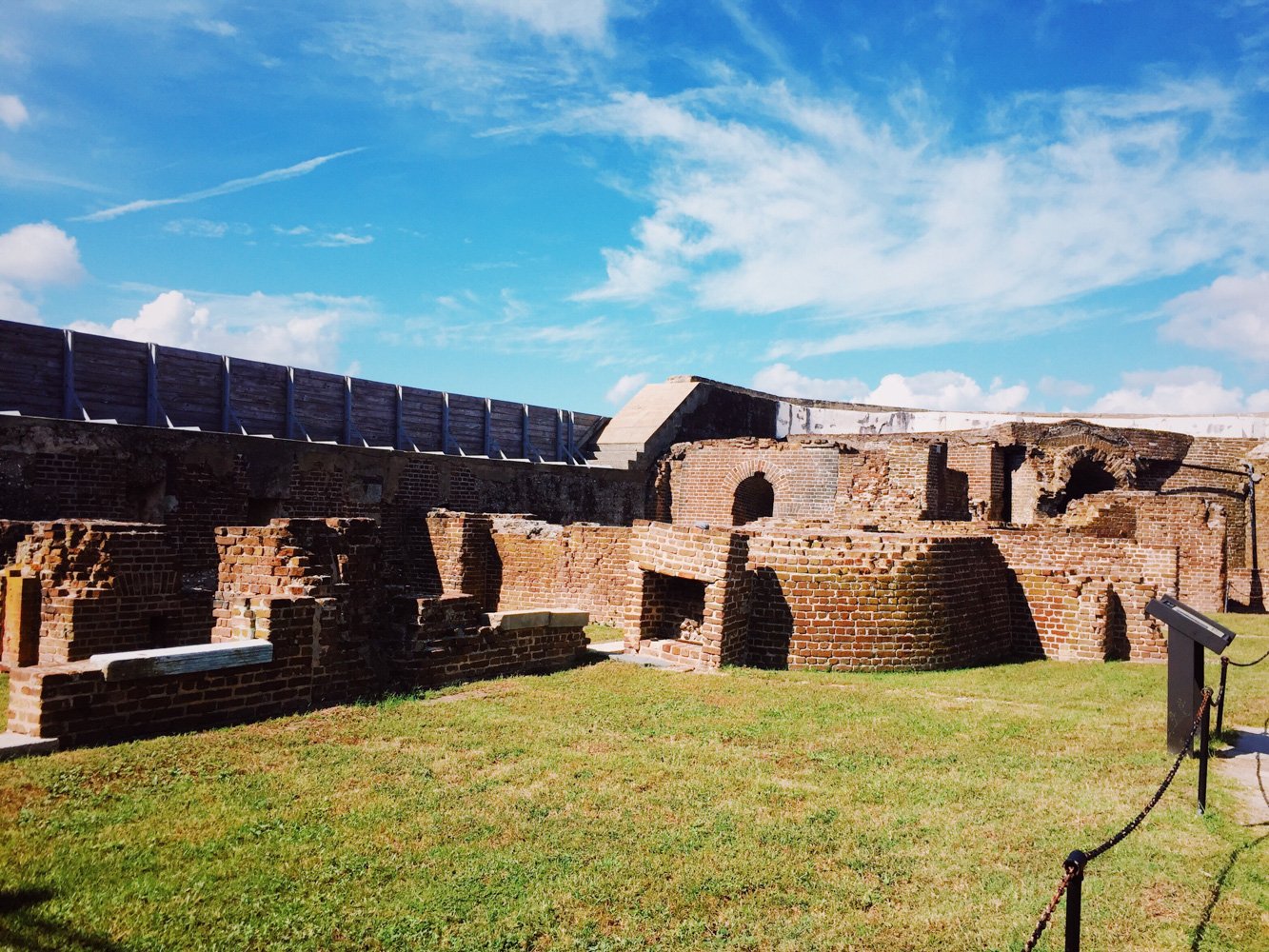
Few sites are as steeped in national significance as Fort Sumter. Located on an island at the entrance to Charleston Harbor, this formidable structure is where the first shots of the Civil War rang out in 1861. Today, Fort Sumter stands as a somber monument to a conflict that would define the trajectory of a young nation. A short ferry ride from Charleston or Mount Pleasant reveals not only striking views of the harbor but also an impressive collection of 19th-century artillery. For history enthusiasts, a visit to Fort Sumter is a pilgrimage into America’s enduring defense of unity.
3. Fort Moultrie
On Sullivan’s Island near Fort Sumter, Fort Moultrie offers a unique glimpse into 171 years of American coastal defense, from 1776 to 1947. Originally built to protect Charleston from British forces, this bastion has survived wars, storms, and the test of time. Visitors can explore meticulously preserved sections that showcase the fort’s evolution across multiple eras, each with its distinct architectural style and defensive strategies. For a touch of literary intrigue, consider that Edgar Allan Poe was stationed here in 1827, an experience that may have influenced his dark and evocative works.
4. The Battery
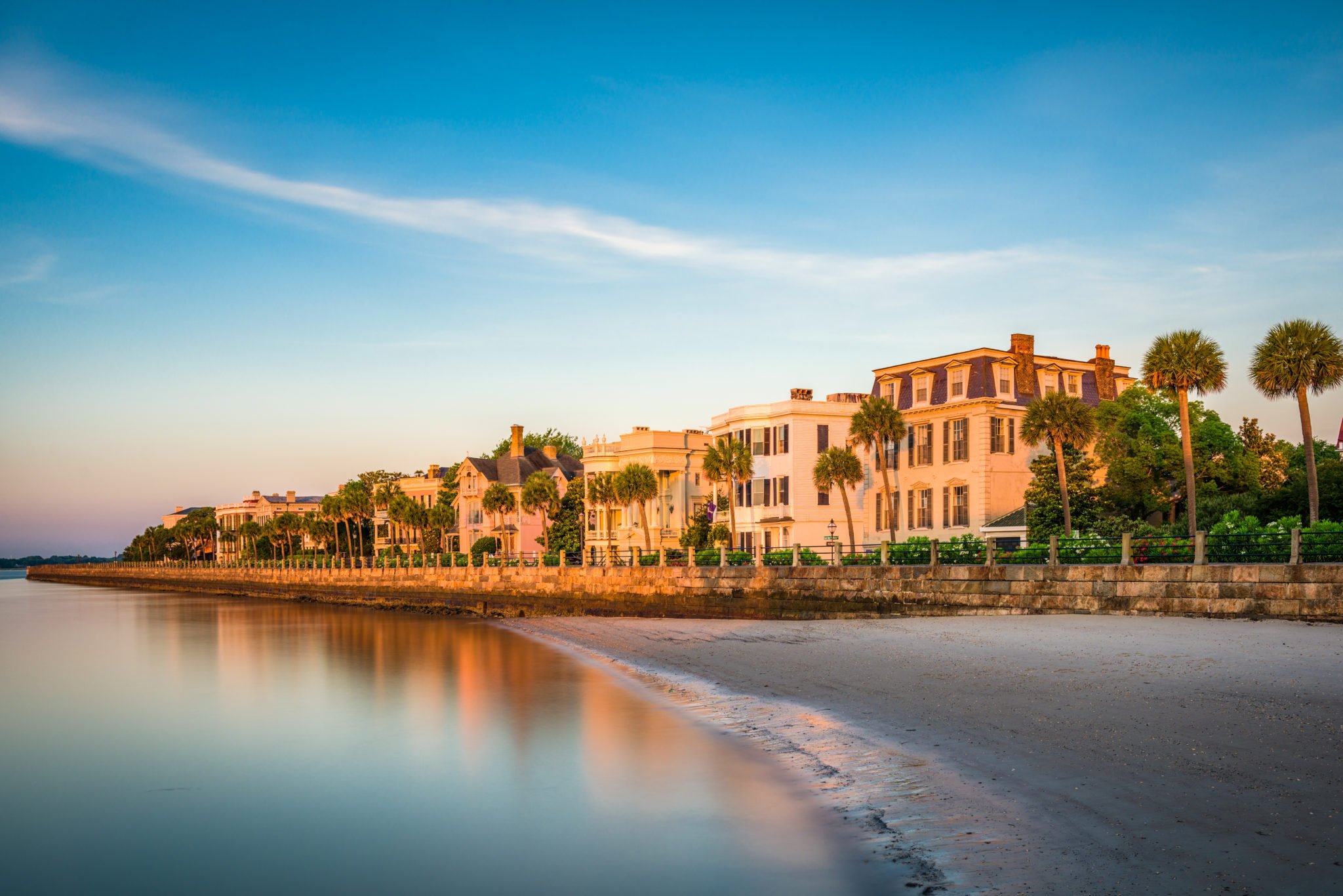
A stroll along The Battery is to walk in the footsteps of Charleston’s storied past. This iconic waterfront promenade is lined with antebellum-era mansions, each a living museum of architecture and history. From here, one can glimpse Fort Sumter across the harbor, a silent sentinel memorializing the city’s turbulent past. At the promenade’s southern tip lies White Point Gardens, a tranquil park once known as Oyster Point by Native Americans. Just north of The Battery, the pastel-hued Rainbow Row offers one of the city’s most charming and photographed scenes.
5. The Old Exchange and Provost Dungeon
Built in 1771, this Georgian structure has served as a customs house, military prison, post office, and more. During the Revolutionary War, British forces used its dungeon as a prison for American patriots. In 1788, it hosted South Carolina’s ratification of the U.S. Constitution, marking a defining moment in American history. Guided tours, led by docents in period attire, bring to life the tales of patriots, presidents, and even pirates who shaped the city.
6. Aiken-Rhett House Museum
The Aiken-Rhett House Museum offers an authentic look into the lives of Charleston’s elite in the early 19th century. Built in 1820 and largely untouched by restoration, this grand home preserves the patina of age, allowing visitors to experience it as it once was. The property includes original slave quarters, an integral part of Charleston’s history, offering visitors an unvarnished view of antebellum life. A visit here is both haunting and enlightening, as one gains a greater understanding of Charleston’s complex fabric.
7. McLeod Plantation Historic Site
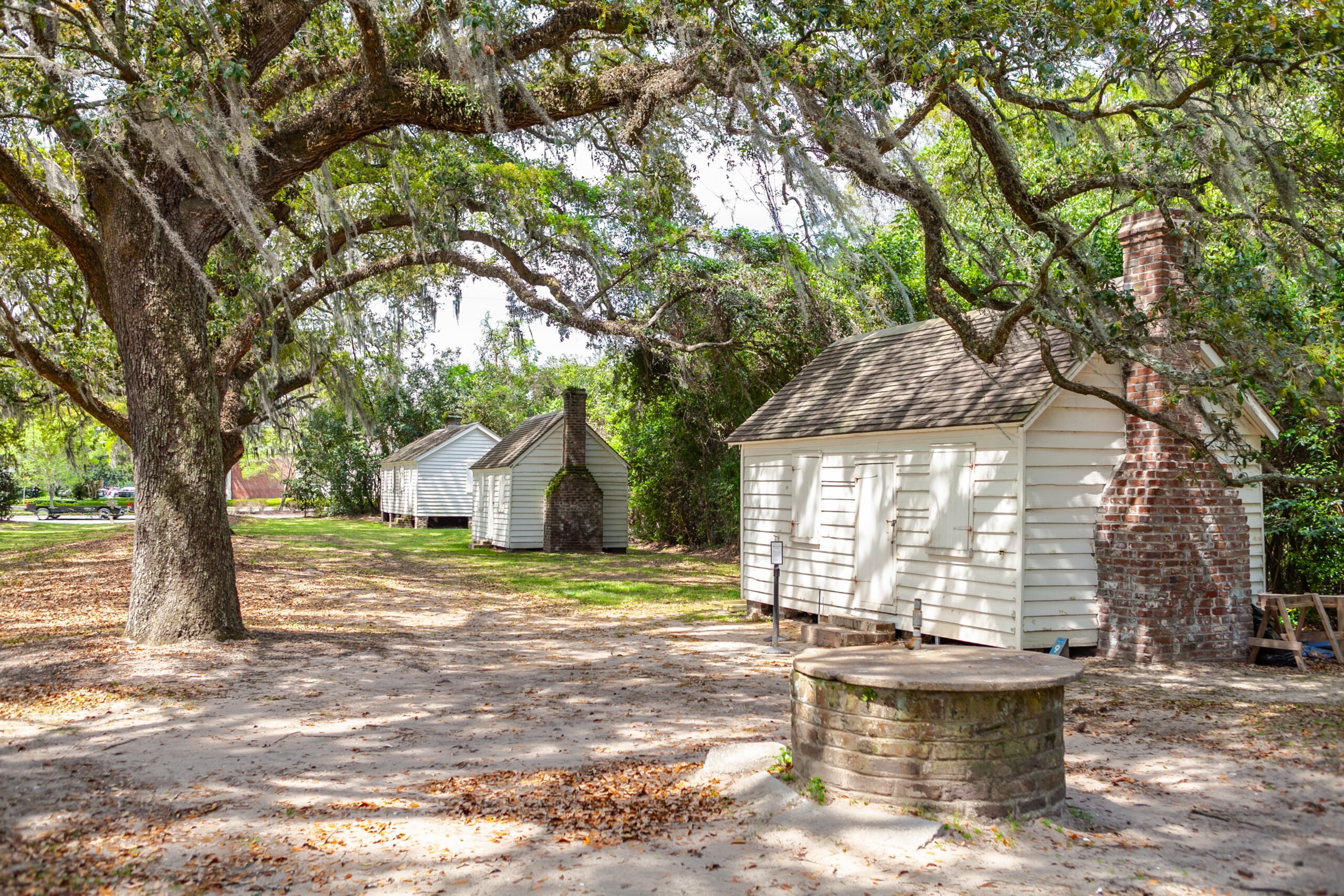
McLeod Plantation is a place of profound historical and cultural significance, honoring the experiences of the enslaved Africans who lived and worked on American land. Spanning 37 acres, this carefully preserved site allows visitors to engage with the complex and often painful history of plantation life. Original dwellings, artifacts, and interpretive exhibits offer insight into the Gullah Geechee, a culture descended from enslaved Africans that took root in the Lowcountry. For those seeking an understanding of Charleston’s layered history, McLeod Plantation provides an enlightening experience.
8. Magnolia Cemetery
Magnolia Cemetery is a serene yet evocative destination. Established in 1850 on a former rice plantation, this historic cemetery rests on the National Register of Historic Places. The grounds feature serene ponds, lush pathways, and intricately carved tombstones that honor South Carolinians of note. Magnolia Cemetery invites quiet reflection, whether one visits independently or on a guided tour permitted by the only authorized operator. Here, visitors find themselves amid the stillness of Charleston’s past.

9. Magnolia Plantation and Gardens
Founded in 1676, Magnolia Plantation and Gardens is one of America’s oldest plantations. Wander through romantic-style gardens, take a boat tour through old rice fields, or explore the Audubon Swamp’s self-guided trails. Families can enjoy the petting zoo and rookery, while history enthusiasts will find the Civil War and Reconstruction-era home tours fascinating.
10. Dock Street Theatre
Situated in Charleston’s historic French Quarter, the Dock Street Theatre holds the distinction of being America’s first building dedicated to theatrical performances. Established in 1736, the theater continues to captivate audiences with performances that range from classic plays to culturally significant productions. The theater’s storied past and vibrant present make it a cornerstone of Charleston’s thriving arts scene and a testament to the city’s dedication to cultural expression.
Charleston is home to countless other historic treasures, each a chapter in the Lowcountry’s storied past. To enhance your journey, consult the Charleston Visitors Bureau or speak with the Timbers Kiawah Ocean Club & Residences concierge team for tailored recommendations and guidance.